Korean Bibimbap
Highlighted under: Global Planning
Experience the vibrant flavors of Korean cuisine with this delicious Bibimbap recipe, a colorful and nutritious dish that's easy to prepare.
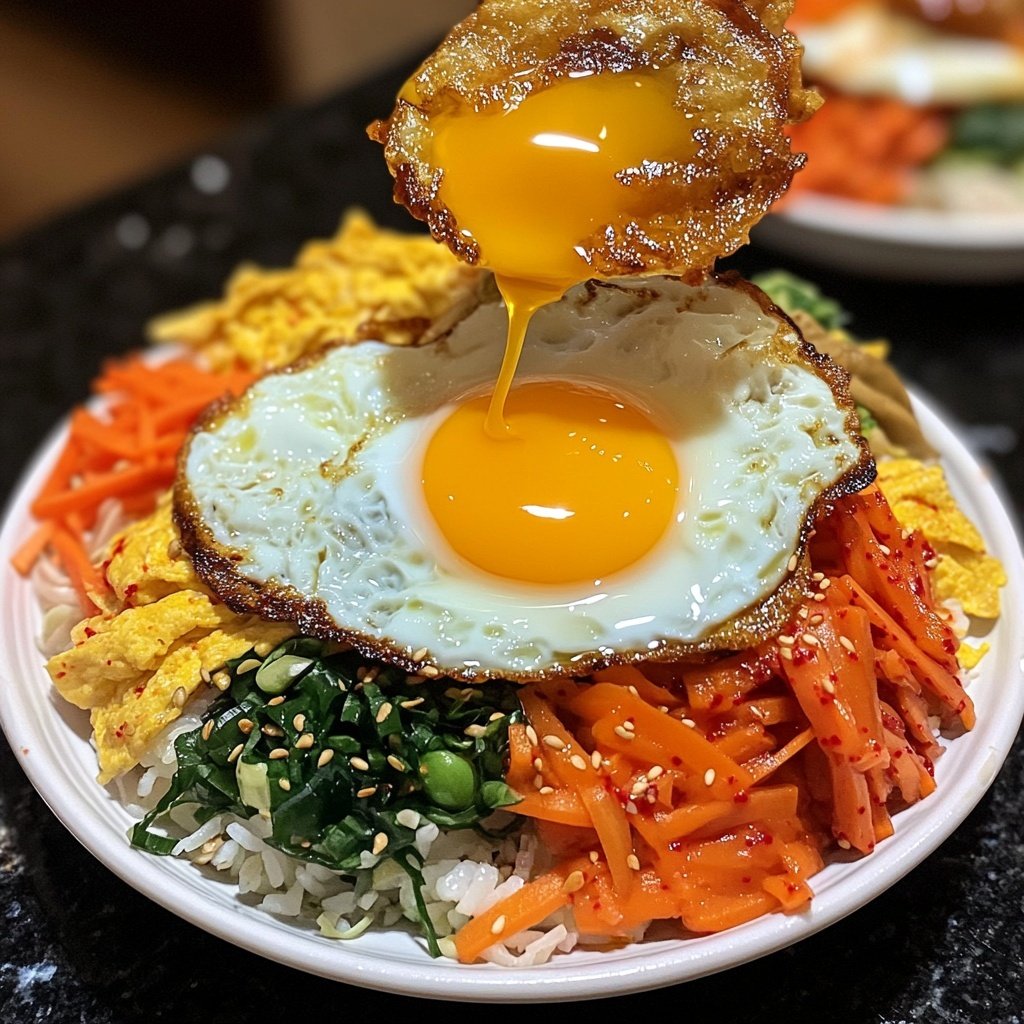
Korean Bibimbap is a traditional mixed rice dish that combines a variety of ingredients, including vegetables, meat, and a fried egg, all topped with spicy gochujang sauce.
Why You'll Love This Bibimbap
- A colorful array of fresh vegetables and toppings
- Customizable to your taste - add your favorite proteins!
- A perfect balance of flavors and textures in every bite
The Essence of Bibimbap
Bibimbap, which translates to 'mixed rice,' is a quintessential Korean dish that embodies the harmony of flavors and textures found in Korean cuisine. Originating from the Jeonju region, this dish has gained immense popularity worldwide for its vibrant appearance and nutritious ingredients. Each component is prepared separately, allowing you to appreciate the distinct flavors before they are beautifully combined.
The beauty of Bibimbap lies in its versatility. Traditionally, it includes a variety of vegetables, protein, and a spicy sauce, but you can easily customize it to suit your dietary preferences. Whether you prefer beef, chicken, tofu, or even seafood, the options are endless. This adaptability makes Bibimbap a fantastic choice for family meals and gatherings, as everyone can create their own perfect bowl.
Not only is Bibimbap delicious, but it is also a visually stunning dish. The colorful array of ingredients creates an inviting presentation that is sure to impress. From the bright orange carrots to the deep green spinach, each color represents different nutrients, making this dish not only a feast for the eyes but also a healthy choice.
Tips for Perfecting Your Bibimbap
To achieve the best Bibimbap, using freshly cooked rice is essential. Ideally, the rice should be slightly warm when serving, as this helps to meld the flavors of the ingredients. For an authentic touch, try using short-grain rice, as it tends to be stickier and holds together better, making it easier to mix with the other components.
When it comes to the vegetables, feel free to experiment with seasonal produce. For example, you can incorporate bell peppers, radishes, or even sweet potato. The key is to ensure that the vegetables are cooked just until tender while retaining some crunch. This contrast in texture is what elevates the overall dish and keeps each bite exciting.
Lastly, don’t skimp on the gochujang! This Korean chili paste adds a wonderful depth of flavor and a hint of heat to your Bibimbap. You can adjust the amount to your liking, and if you're looking for a milder option, consider mixing it with a bit of sesame oil or honey to balance the spice.
Ingredients
Gather the following ingredients to prepare your Bibimbap:
Ingredients
- 2 cups cooked rice
- 1 cup spinach, blanched
- 1 cup carrots, julienned
- 1 cup zucchini, julienned
- 1 cup shiitake mushrooms, sliced
- 1 cup bean sprouts
- 4 eggs
- 200g ground beef (or tofu for a vegetarian option)
- 2 tablespoons soy sauce
- 1 tablespoon sesame oil
- 2 tablespoons gochujang (Korean chili paste)
- 1 tablespoon sesame seeds
- Salt and pepper to taste
Make sure to have all your ingredients prepped and ready before you start cooking!
Instructions
Follow these steps to create your delicious Bibimbap:
Prepare the Vegetables
Heat a little oil in a pan over medium heat. Sauté the carrots, zucchini, and mushrooms separately until tender. Season each with salt and pepper. Set aside.
Cook the Beef
In the same pan, add the ground beef, soy sauce, and sesame oil. Cook until browned and cooked through. Set aside.
Fry the Eggs
In a separate pan, fry the eggs sunny-side up until the whites are set but the yolks are still runny.
Assemble the Bibimbap
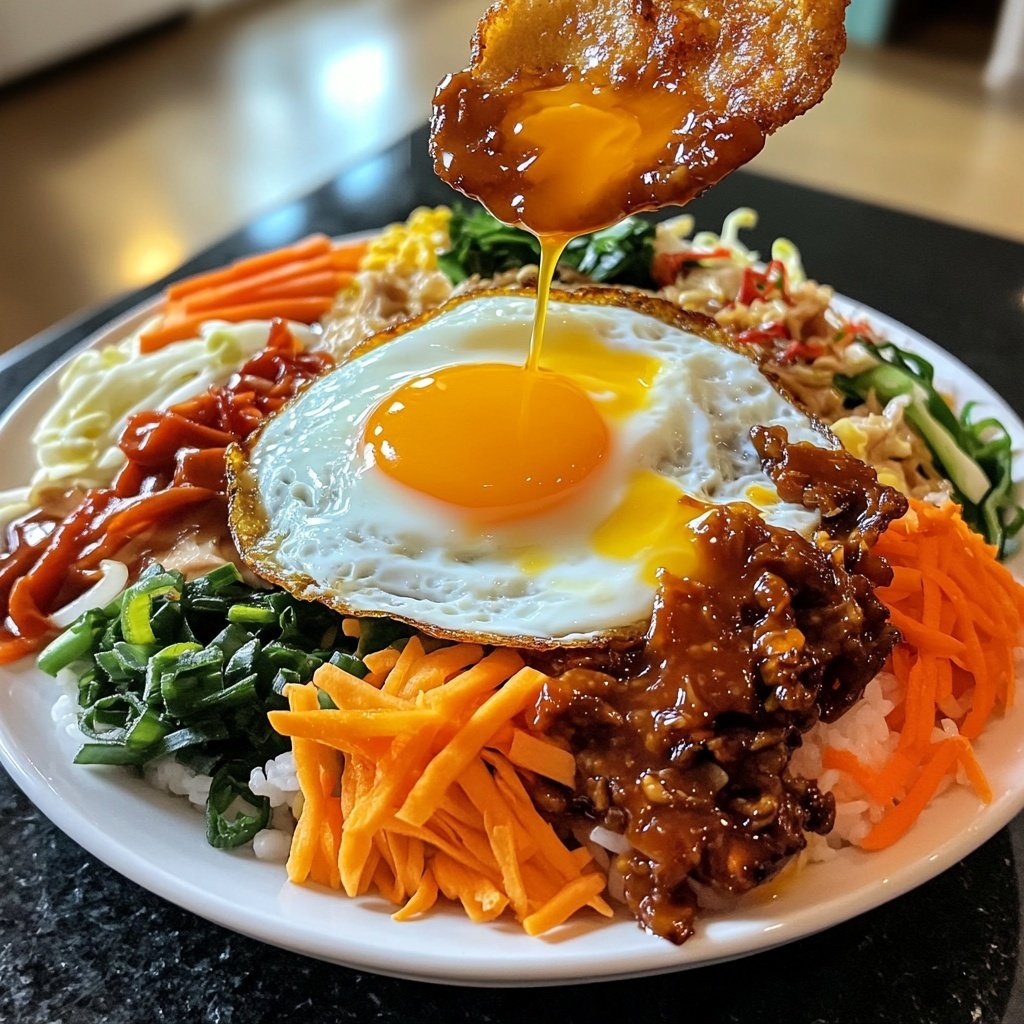
In bowls, place a serving of rice and arrange the sautéed vegetables, beef, and blanched spinach on top. Finish with a fried egg and a sprinkle of sesame seeds.
Serve with Gochujang
Drizzle gochujang over each bowl to taste and mix everything together before eating. Enjoy your homemade Bibimbap!
Mix well before enjoying this delightful dish!
Pro Tips
- Feel free to swap out any vegetables or proteins according to your preference. You can also serve it with a side of kimchi for extra flavor.
Storage and Meal Prep
Bibimbap is an excellent option for meal prep, as the individual components can be stored separately in the refrigerator for up to four days. This allows you to enjoy fresh, homemade meals throughout the week without the hassle of cooking each time. Simply reheat the rice and sautéed vegetables, then assemble your bowl with your preferred toppings.
If you have leftover Bibimbap, consider turning it into a delicious fried rice dish. Just add a bit of oil to a hot pan, toss in the ingredients, and stir-fry until everything is heated through. This is a great way to minimize waste while enjoying a different flavor profile from your original dish.
Serving Suggestions
Bibimbap is often served with a side of kimchi, a fermented vegetable dish that complements the meal perfectly. The tangy and spicy flavors of kimchi not only enhance the taste of Bibimbap but also add a probiotic boost, making the meal even healthier.
For a complete dining experience, consider pairing your Bibimbap with a refreshing cucumber salad or a light soup, such as miyeok-guk (seaweed soup). These side dishes balance the richness of the Bibimbap and provide a well-rounded meal that your family and friends will love.
Questions About Recipes
→ Can I make Bibimbap vegetarian?
Absolutely! Just replace the beef with tofu or extra vegetables.
→ What kind of rice should I use?
Short-grain rice is traditional for Bibimbap, but you can also use jasmine or brown rice.
→ Is Bibimbap spicy?
It can be! The spice level depends on how much gochujang you add. Adjust to your taste.
→ Can I prepare the ingredients in advance?
Yes! You can prep the vegetables and cook the beef ahead of time. Just assemble before serving.
Korean Bibimbap
Created by: Questa Beaumont
Recipe Type: Global Planning
Skill Level: Intermediate
Final Quantity: 4 servings
What You'll Need
Ingredients
- 2 cups cooked rice
- 1 cup spinach, blanched
- 1 cup carrots, julienned
- 1 cup zucchini, julienned
- 1 cup shiitake mushrooms, sliced
- 1 cup bean sprouts
- 4 eggs
- 200g ground beef (or tofu for a vegetarian option)
- 2 tablespoons soy sauce
- 1 tablespoon sesame oil
- 2 tablespoons gochujang (Korean chili paste)
- 1 tablespoon sesame seeds
- Salt and pepper to taste
How-To Steps
Heat a little oil in a pan over medium heat. Sauté the carrots, zucchini, and mushrooms separately until tender. Season each with salt and pepper. Set aside.
In the same pan, add the ground beef, soy sauce, and sesame oil. Cook until browned and cooked through. Set aside.
In a separate pan, fry the eggs sunny-side up until the whites are set but the yolks are still runny.
In bowls, place a serving of rice and arrange the sautéed vegetables, beef, and blanched spinach on top. Finish with a fried egg and a sprinkle of sesame seeds.
Drizzle gochujang over each bowl to taste and mix everything together before eating. Enjoy your homemade Bibimbap!
Extra Tips
- Feel free to swap out any vegetables or proteins according to your preference. You can also serve it with a side of kimchi for extra flavor.
Nutritional Breakdown (Per Serving)
- Calories: 550 kcal
- Total Fat: 20g
- Saturated Fat: 5g
- Cholesterol: 186mg
- Sodium: 900mg
- Total Carbohydrates: 75g
- Dietary Fiber: 5g
- Sugars: 5g
- Protein: 20g